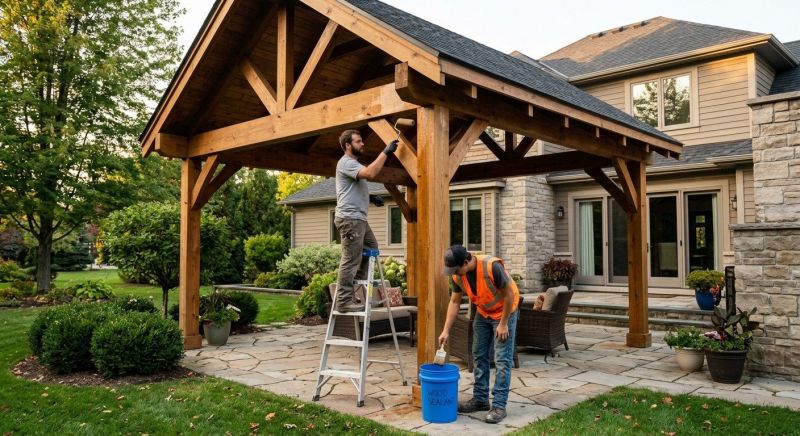
Pavilion Sealing in Seattle, WA
Pavilion sealing services involve applying specialized sealants to pavilion structures to protect them from weather elements, moisture, and general wear. This service is commonly requested for projects such as sealing wood, concrete, or composite pavilions in residential yards, parks, or community spaces. Property owners typically want to understand the types of sealants used, how often reapplication might be needed, and the benefits of sealing-such as enhanced durability and appearance-before requesting the service.
Homeowners considering pavilion sealing should evaluate the current condition of their structure, including any existing damage or signs of wear. It’s important to know whether the pavilion is made of wood, concrete, or other materials, as different sealants are suitable for different surfaces. Additionally, understanding the scope of the project-such as the size of the pavilion and whether repairs are needed beforehand-can help ensure the sealing process provides the desired protection and longevity.
Many property owners in Seattle, WA look into Pavilion Sealing for repairs, replacements, upgrades, and appearance-related improvements.
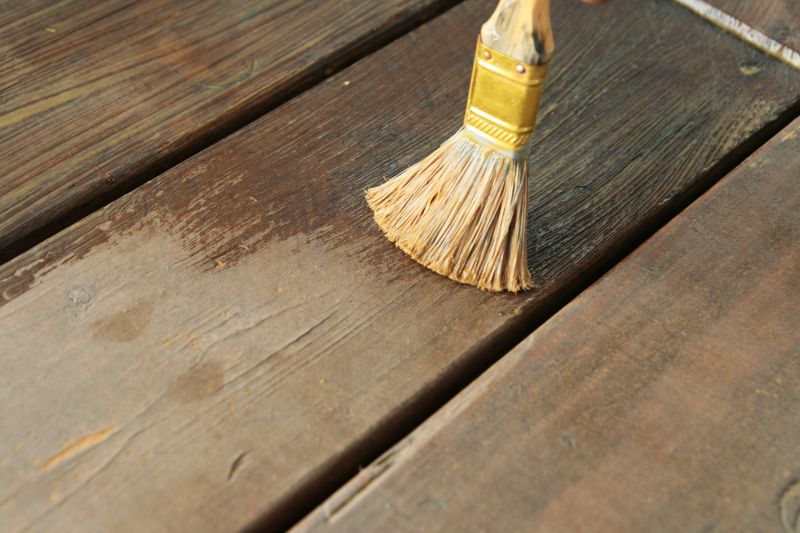
Pavilion Sealing Services
Examples of pavilion sealing work property owners may explore in seattle, wa.
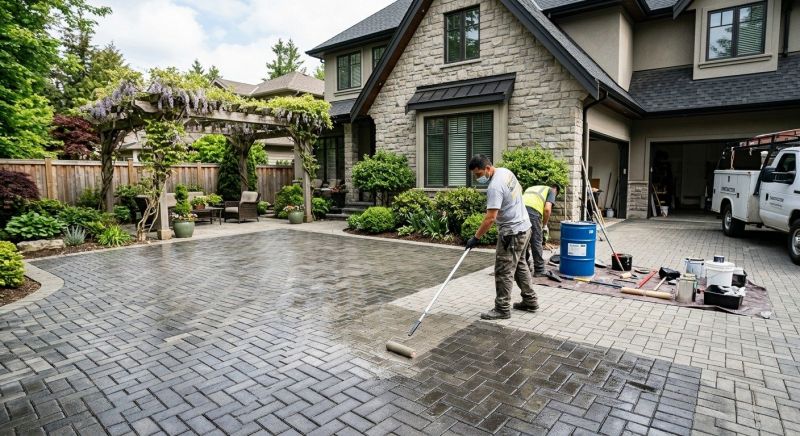
Pavilion Sealing Updates
Common ways people refresh, improve, or restore pavilion sealing features in seattle, wa.
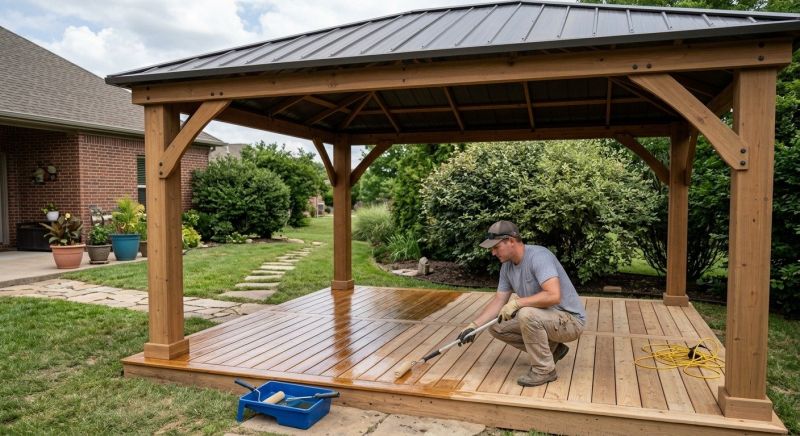
Pavilion Sealing Options
Different styles, layouts, and finishes people consider for pavilion sealing in seattle, wa.
Pavilion Sealing in Seattle, WA

Pavilion sealing services involve applying specialized sealants to pavilion structures to protect them from weather elements, moisture, and general wear. This service is commonly requested for projects such as sealing wood, concrete, or composite pavilions in residential yards, parks, or community spaces. Property owners typically want to understand the types of sealants used, how often reapplication might be needed, and the benefits of sealing-such as enhanced durability and appearance-before requesting the service.
Homeowners considering pavilion sealing should evaluate the current condition of their structure, including any existing damage or signs of wear. It’s important to know whether the pavilion is made of wood, concrete, or other materials, as different sealants are suitable for different surfaces. Additionally, understanding the scope of the project-such as the size of the pavilion and whether repairs are needed beforehand-can help ensure the sealing process provides the desired protection and longevity.
Many property owners in Seattle, WA look into Pavilion Sealing for repairs, replacements, upgrades, and appearance-related improvements.
Common Pavilion Sealing Jobs
Pavilion sealing - Sealing work to protect pavilions from water intrusion and weather damage.
Deck sealing - Applying sealants to extend the lifespan of pavilion decks and prevent rot.
Crack sealing - Filling gaps and cracks to prevent moisture penetration and structural issues.
Surface sealing - Protecting pavilion surfaces from stains, UV damage, and wear over time.
Joint sealing - Sealing joints and seams to maintain pavilion integrity and prevent leaks.
Waterproof sealing - Creating a barrier to keep pavilion interiors dry and resistant to moisture.
Pavilion Sealing Questions
What is pavilion sealing? Pavilion sealing involves applying a protective coating to the surface to prevent water intrusion and damage.
Why is pavilion sealing important? Sealing helps extend the lifespan of the pavilion by protecting it from moisture, weather, and wear over time.
What types of pavilions benefit from sealing? All types of outdoor pavilions, including wood, metal, and vinyl structures, can benefit from sealing to maintain their appearance and integrity.
When should pavilion sealing be performed? Sealing is typically done during routine maintenance or when signs of wear, such as cracking or peeling, are visible.
Request Pavilion Sealing in Seattle, WA
Use the quote form on this page to share the basics of your project and request more information for the type of work you need.